



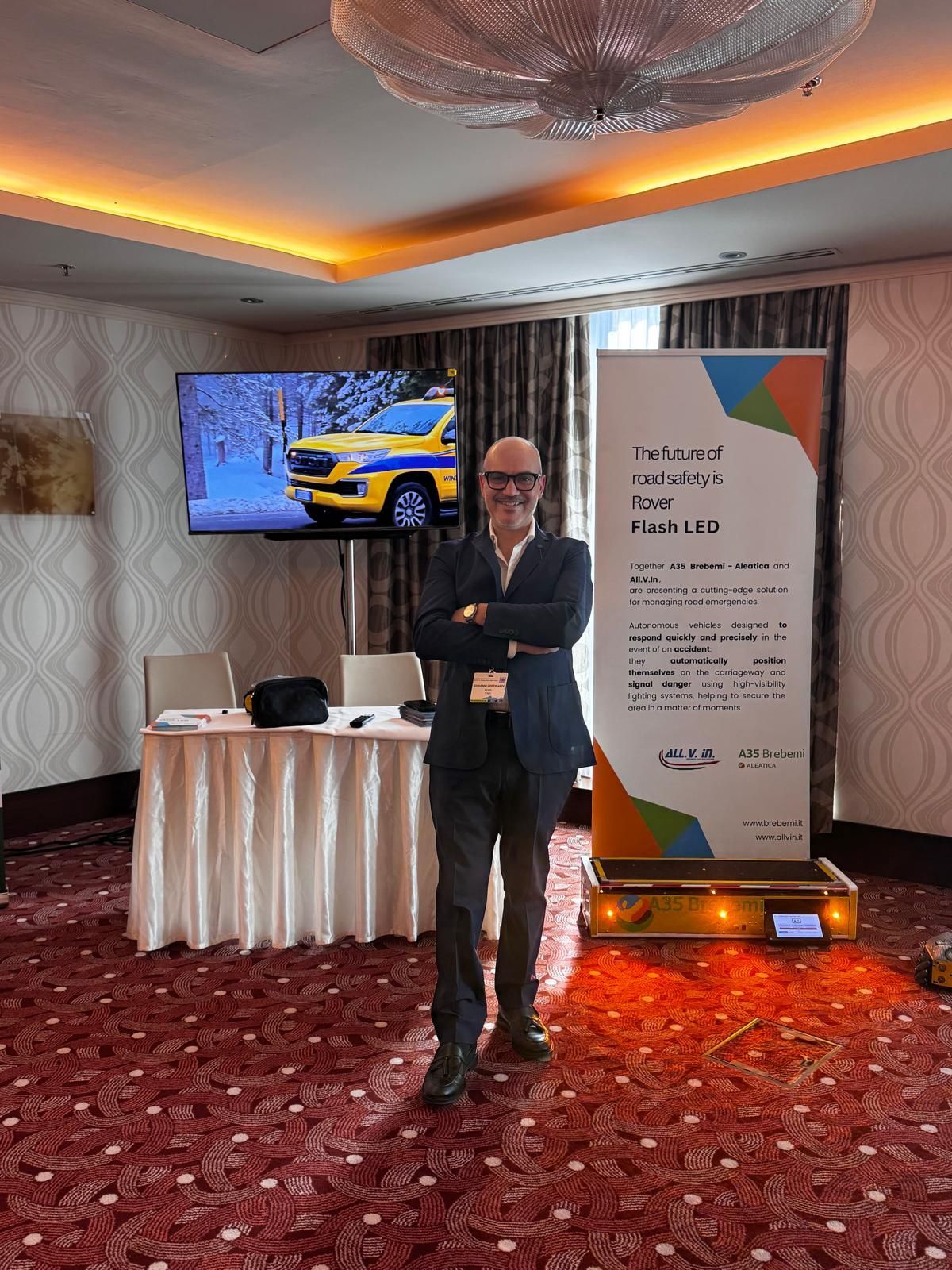
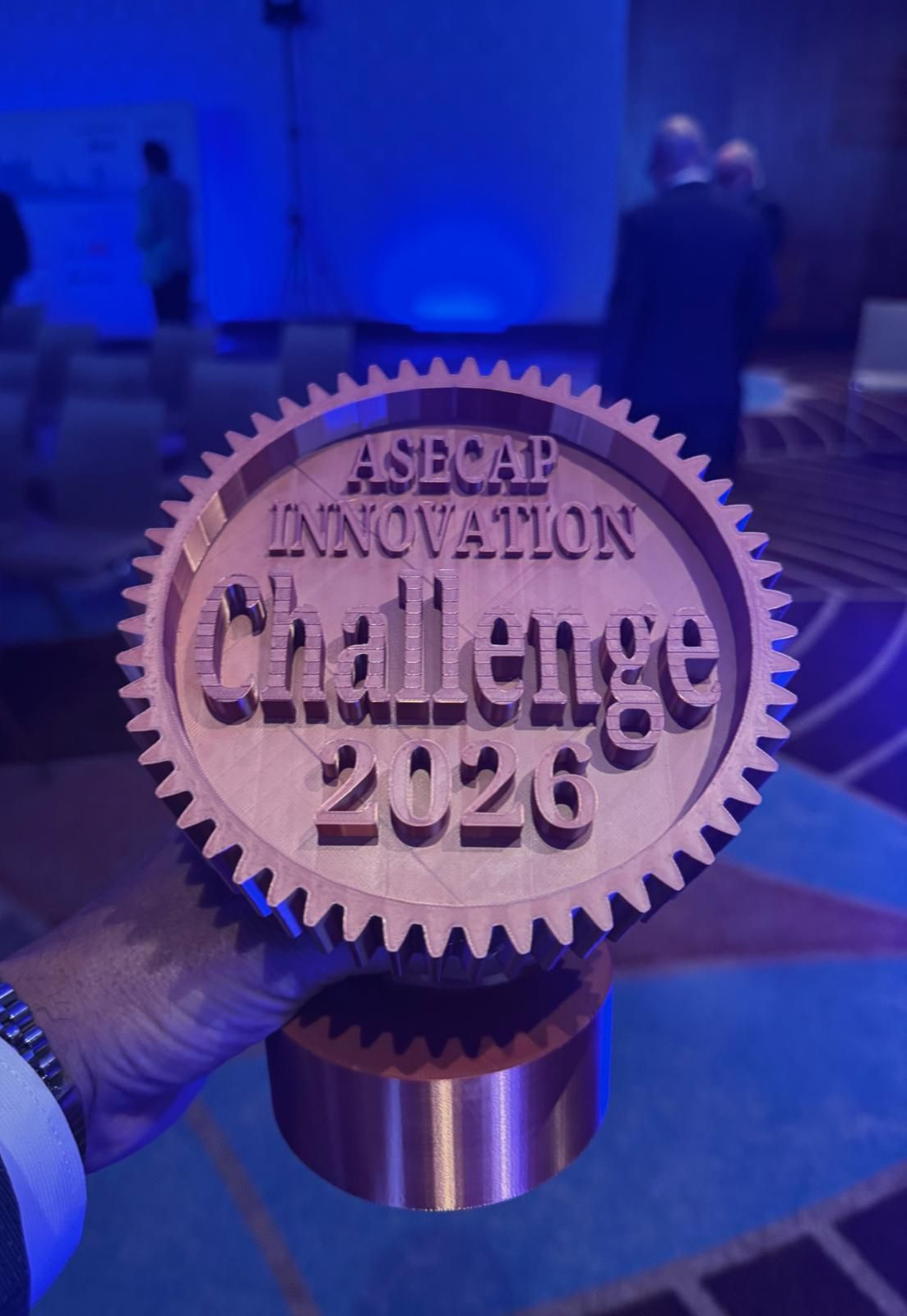


🇬🇧 We will be taking part in ASECAP Days 2026, one of Europe’s leading events dedicated to road infrastructure and mobility, scheduled to take place from 27 to 29 May in Bratislava. This is an important opportunity to discuss key industry issues, such as digitalisation, sustainability and infrastructure development, alongside leading European operators and stakeholders. We are also delighted to announce that we are among the finalists for the ASECAP Innovation Award thanks to the Rover-Flash Led project, developed in collaboration with BreBeMi. We will be there to present it and give you a closer look at its potential. We look forward to seeing you in Bratislava! You’ll find us at Booth 12 Discover the programme
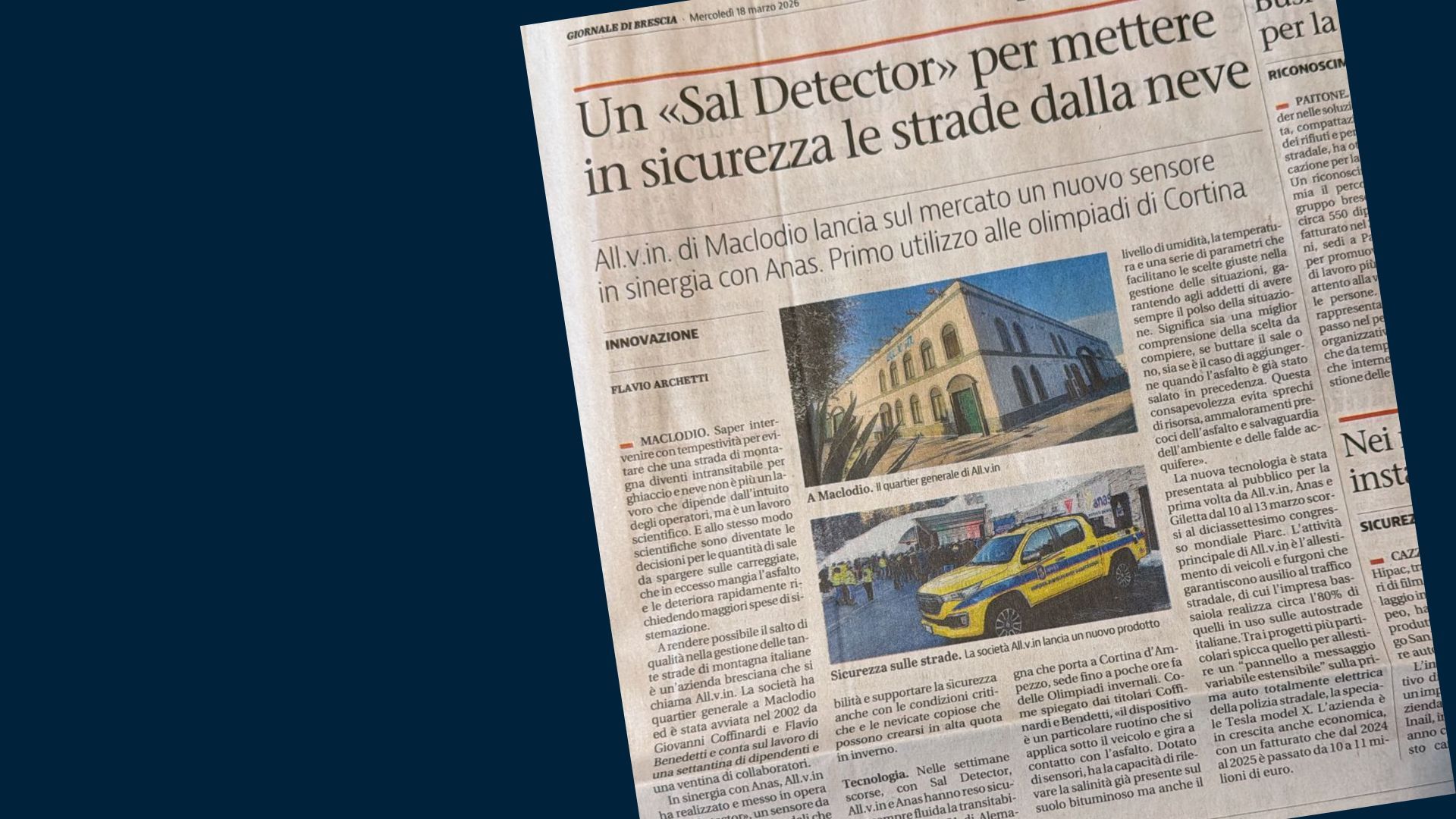
🇬🇧 A ‘Sal Detector’ to keep roads safe from snow All.v.in. of Maclodio launches a new sensor in collaboration with Anas. First use at the Cortina Olympics MACLODIO. Knowing how to intervene promptly to prevent a mountain road from becoming impassable due to ice and snow is no longer a task that relies on the intuition of operators, but a scientific one. Similarly, decisions regarding the quantities of salt to be spread on the carriageways have become scientific; excessive amounts corrode the asphalt and cause rapid deterioration, requiring higher maintenance costs. Making this leap in quality in the management of Italy’s many mountain roads possible is a Brescia-based company called All.v.in. The company is headquartered in Maclodio and was founded in 2002 by Giovanni Coffinardi and Flavio Benedetti; it employs around seventy staff and works with some twenty contractors. In collaboration with Anas, All.v.in has developed and implemented the ‘Sal Detector’, a sensor fitted to road vehicles that detects the salinity of the asphalt to prevent traffic flow issues and support safety, even under critical conditions and heavy snowfall that can occur at high altitudes in winter. Technology. In recent weeks, Sal Detector, All.v.in and Anas have ensured that traffic on the Alemagna SS 51 road – which leads to Cortina d'Ampezzo, the venue for the Winter Olympics until just a few hours ago – remains safe and flowing smoothly. As explained by the owners, Coffinardi and Benedetti, ‘the device is a special wheel that is fitted underneath the vehicle and rotates as it comes into contact with the tarmac. Equipped with sensors, it can detect the salt content already present on the tarmac, as well as humidity levels, temperature and a range of parameters that help make the right decisions in managing situations, ensuring that staff always have a firm grasp of the situation. This means a better understanding of the decision to be made—whether to spread salt or not—and whether it is necessary to add more when the asphalt has already been salted previously. This awareness prevents waste of resources, premature deterioration of the asphalt, and safeguards the environment and groundwater aquifers’. The new technology was unveiled to the public for the first time by All.v.in, Anas and Giletta from 10 to 13 March at the 17th PIARC World Congress. All.v.in’s core business is the fitting out of vehicles and vans designed to assist road traffic management; the Bassano-based company produces around 80% of those in use on Italian motorways. Among the most notable projects is the installation of an ‘extendable variable message sign’ on the traffic police’s first fully electric vehicle, the special Tesla Model X. The company is also growing financially, with turnover rising from €10 million to €11 million between 2024 and 202 5.

🇬🇧 Anas: a Marshall Plan is needed to make the roads safer. More resources, technology and focus on road safety Anas CEO Claudio Andrea Gemme has launched a strong appeal for massive European financial investment in road infrastructure , comparing it to a modern ‘Marshall Plan’ to make roads safer and more resilient in the face of climate change and growing regulatory demands. The appeal was made on 10 March 2026 in Chambéry, France, during the 17th World Congress on Winter Services , Road Resilience and Decarbonisation organised by the PIARC World Road Association. The event This is the most important international gathering for experts, r oad operators, researchers and public decision-makers who discuss the sector’s challenges in an era marked by extreme weather and technological transition. The congress, which began on 10 March, will continue until 13 March and brings together delegations from around the world. The strategy In his speech, Gemme highlighted the financial challenges faced by Anas, which are shared by other national road authorities : ‘Anas, like all the others, must bear substantial costs to ensure safety, resilience and accessibility.’ He then expressed the hope that the European Commission would allocate adequate resources to road infrastructure , so that it can comply with increasingly stringent European directives on safety and environmental sustainability. Gemme then outlined the concrete efforts made by Anas during recent major events: the preparatory work for the 2025 Jubilee and the 2026 Milan-Cortina Winter Olympics has enabled significant improvements in mobility and inclusivity across various parts of the country. The technical example A concrete example of innovation presented in Chambéry is the specialised vehicle for intelligent winter road management, which was successfully tested on the SS 51 “di Alemagna” during the Olympic Games. It is a pick-up truck equipped with advanced sensors capable of monitoring crucial parameters in real time, such as the temperature of the road surface and the air , the presence of moisture, the status of anti-freeze treatments and the levels of residual salt on the carriageway. The data is transmitted in real time to operations centres and state-of-the-art gritting vehicles, enabling more precise, timely and targeted interventions, with clear savings in resources and increased safety. The future The CEO also highlighted the digitalisation process that Anas has been pursuing for several years: ‘Through predictive maintenance, we have raised our quality and safety standards. We can anticipate any critical situations and plan the necessary interventions.’ Key programmes include Structural Health Monitoring (SHM), which monitors the condition of bridges and viaducts 24 hours a day using sensors, digital road systems to provide real-time information to users, and the development of digital models of road assets for better management of extreme events.
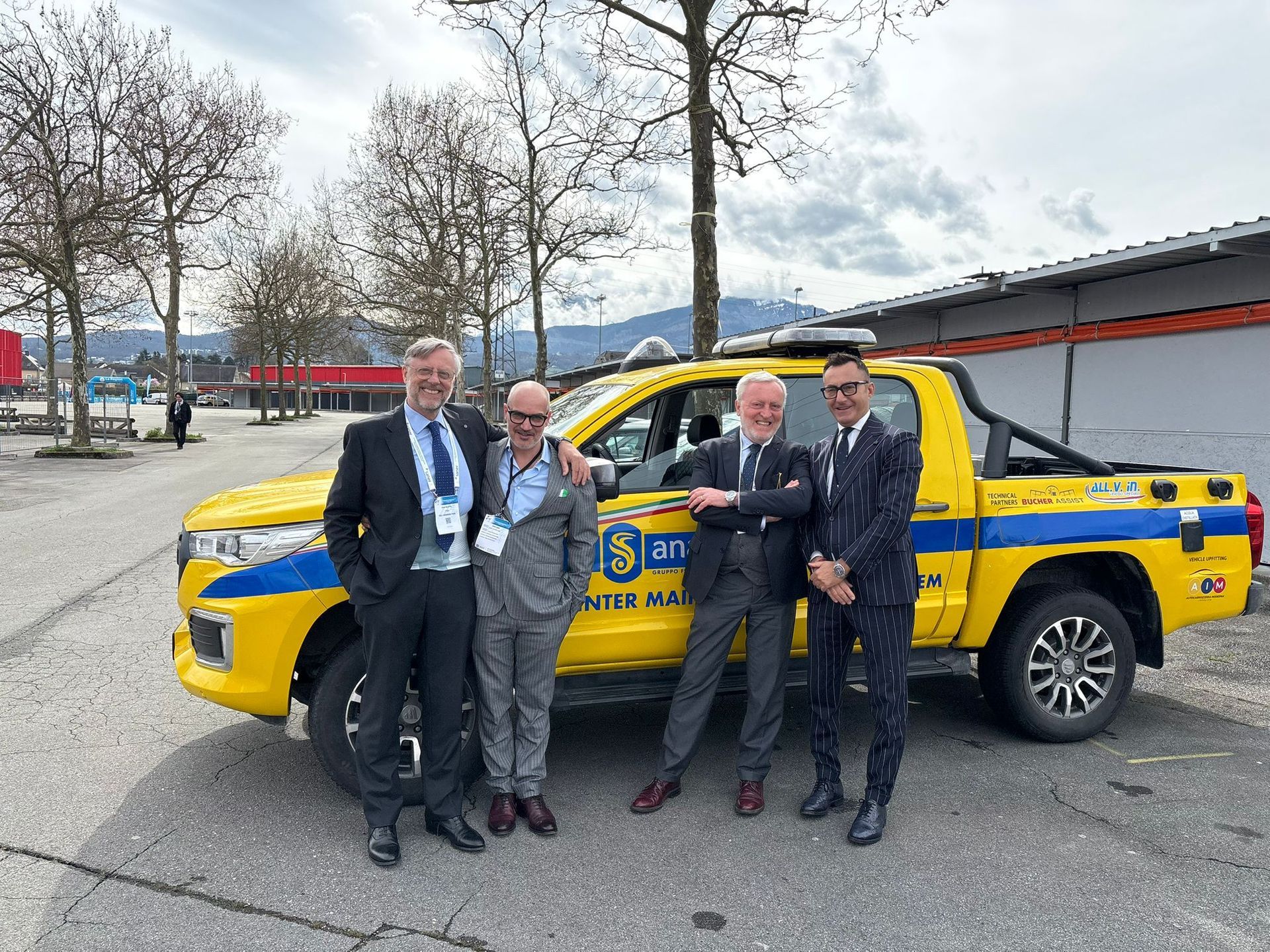
🇬🇧 During the PIARC World Congress, Anas CEO Claudio Andrea Gemme emphasized t he importance of investing in innovation to ensure safer and more resilient roads. Last February, during the Olympic Games, a test site was set up on State Road 51 “Alemagna” using a vehicle equipped with Allvin’s Salt Detector system, designed to measure the concentration of residual salt on the pavement in real time and accurately determine the freezing point of the road surface. The use of real-time data and analytical tools has enabled the optimization of maintenance strategies, with a tangible impact on operational efficiency. Among the most significant results: a significant reduction in salt consumption of over 30% and the maintenance of high safety standards on the roads. These data demonstrate that data-driven operations can improve the effectiveness of interventions, reducing waste and environmental impacts. Allvin is among the companies involved in the development and application of these technologies. Thanks to vehicle-mounted systems, it is possible to measure residual salinity in real time and support more precise operational decisions. This allows for: optimizing interventions reducing salt usage improving the effectiveness of treatments increasing traffic safety Once again, the combination of expertise and technological innovation has resulted in a valuable tool for operators managing winter road maintenance activities Allvin Innovative by Design
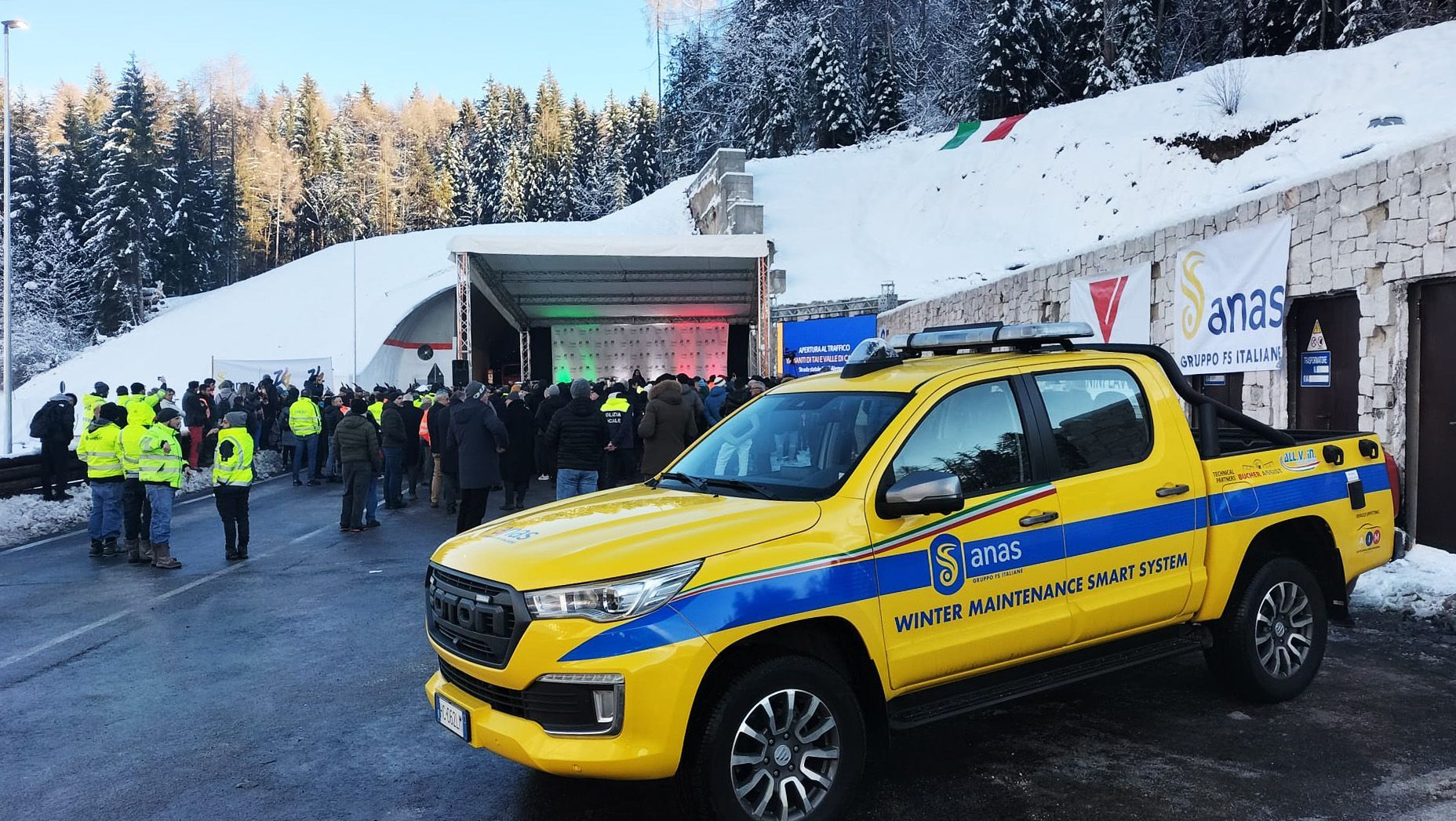
🇬🇧 Following recent snowfall in the Cortina d'Ampezzo area, ANAS launched a trial of advanced winter road safety systems on the SS 51 “Alemagna” road, ahead of the 2026 Milan-Cortina Winter Olympics. The Salt Detector we developed for ANAS is at the technological heart of the trial: a solution designed to measure the concentration of residual salts on the road surface in real time and accurately determine the freezing point of the road surface. Continuous data acquisition enables advanced, data-driven management of anti-icing treatments, allowing the quantities of salt to be accurately calibrated and interventions to be planned according to the actual conditions of the carriageway. With this technology, we confirm our commitment to developing innovative solutions for more efficient, sustainable and safety-oriented winter maintenance, providing concrete support to road operators in their operational decisions. To find out more about the experimentation, look here


